洗脚
washing my children’s feet
(working title)
a dedication
For all my children across time
Who survived, lived through, and never gave up,
Who continued to sing laugh and hope in between tears of grief fear and hurt
Who protected when they were the ones needing protection
Who found refuge in the infinite possibilities of their imagination amongst the rubbles and ruins
Who made sure to hold out their hand even when their pockets are empty
I hold you within my body
I carry you with all my heart
You are remembered
No matter how fleeting our time together may have been.
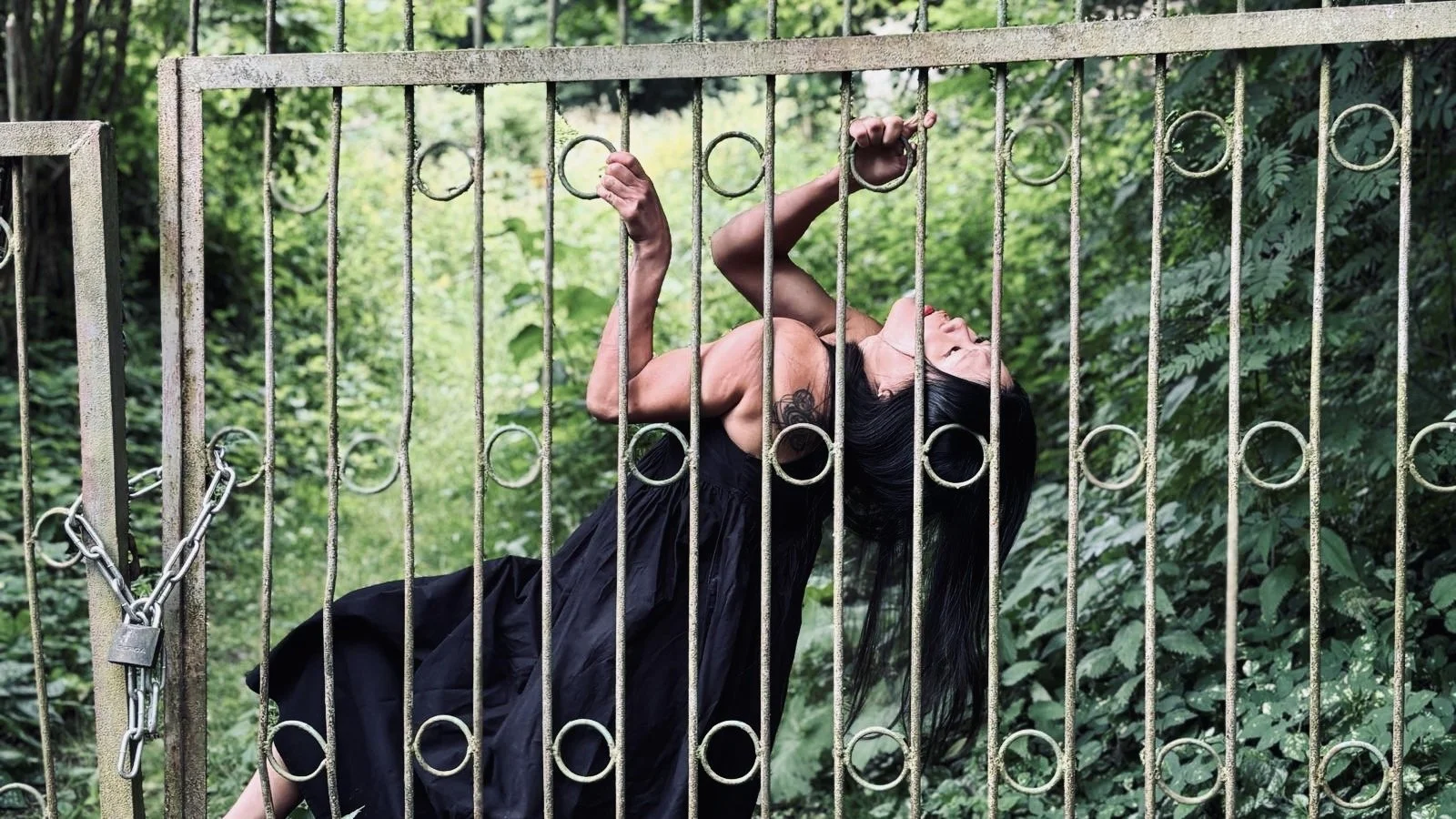
Feet washing is an act of purification and cleansing across many religions and cultures throughout the world. However, there is no intention of bringing in any specific symbolism or practice from any culture/religion, I simply want to use this simple, very vulnerable and exposing act of letting your feet washed by a stranger to explore themes of our humanity.
How do we transform an act that is in today’s world reserved as an act of servitude, that highlights the giver and receiver, into an act of re-connection, reflection, community and surrender?
Using the archetype of a mother, I’d like to dissolve boundaries between race, cultures, age, gender and come to a reckoning, that we are all born of the very earth our feet walk upon, and that this earth will never forsake us, no matter our creed.
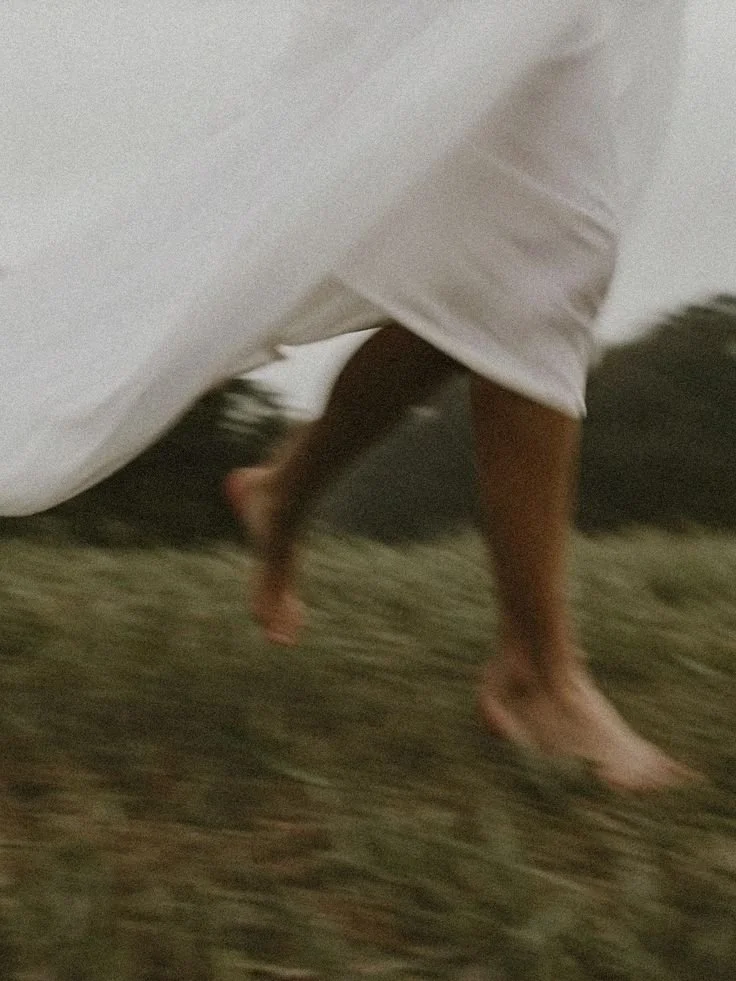
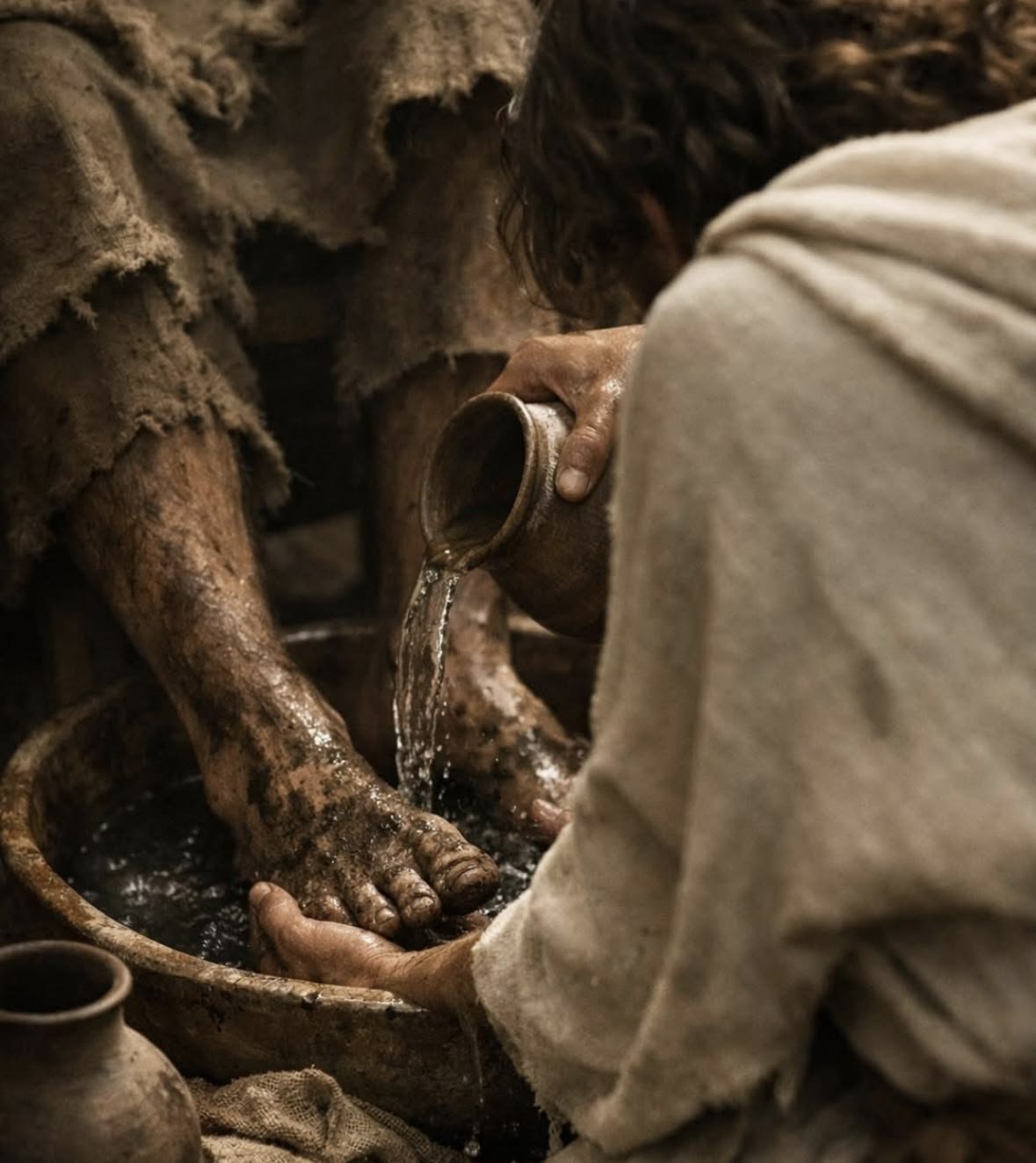
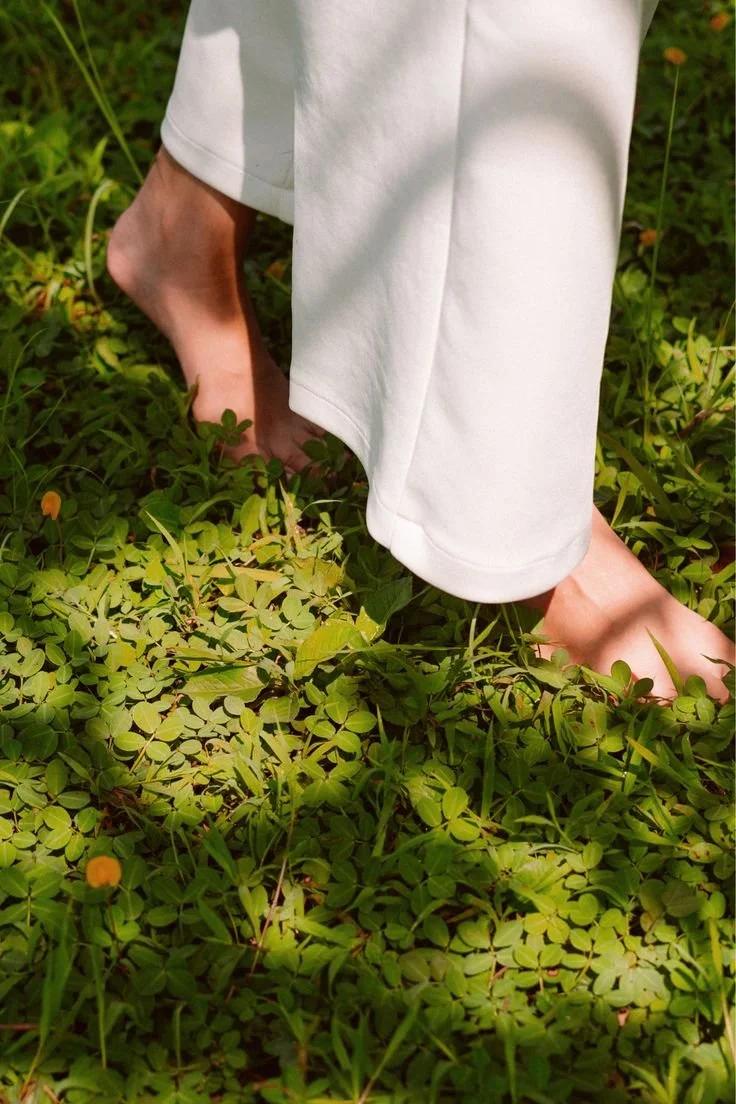
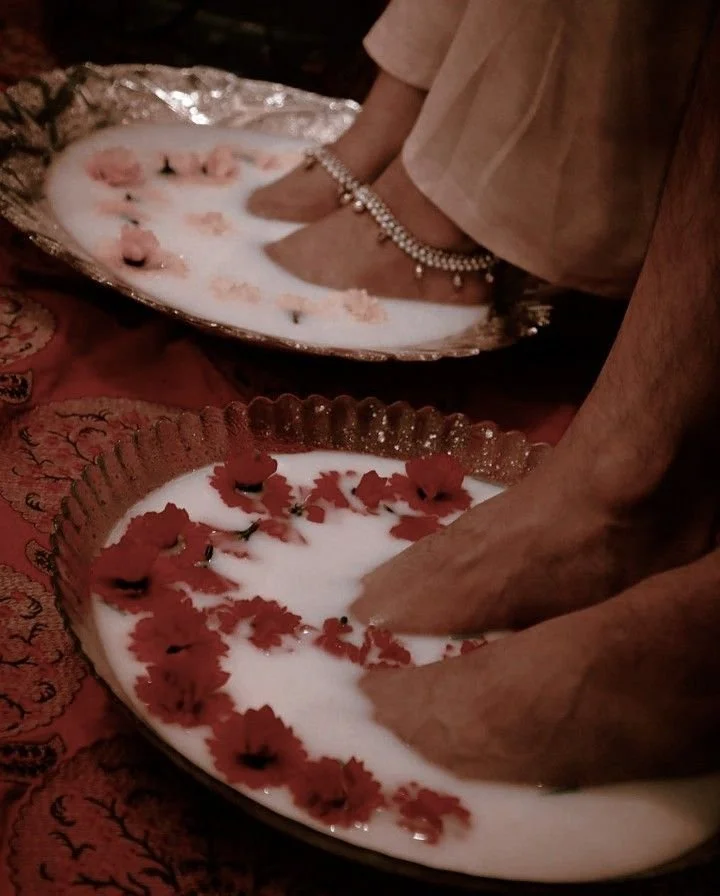
“洗脚 washing my children’s feet” is a durational ritual and performance that is performed in 2 stages.
01
The performer walks meditatively barefoot on the grounds of a shrine, with a basin of water and a cloth :
1-1: feet washing ritual
At times, she will engage with visitors/audience, and proceeds to wash their feet on the spot. These are 1-1 performances that will happen within the durational ritual itself.
02
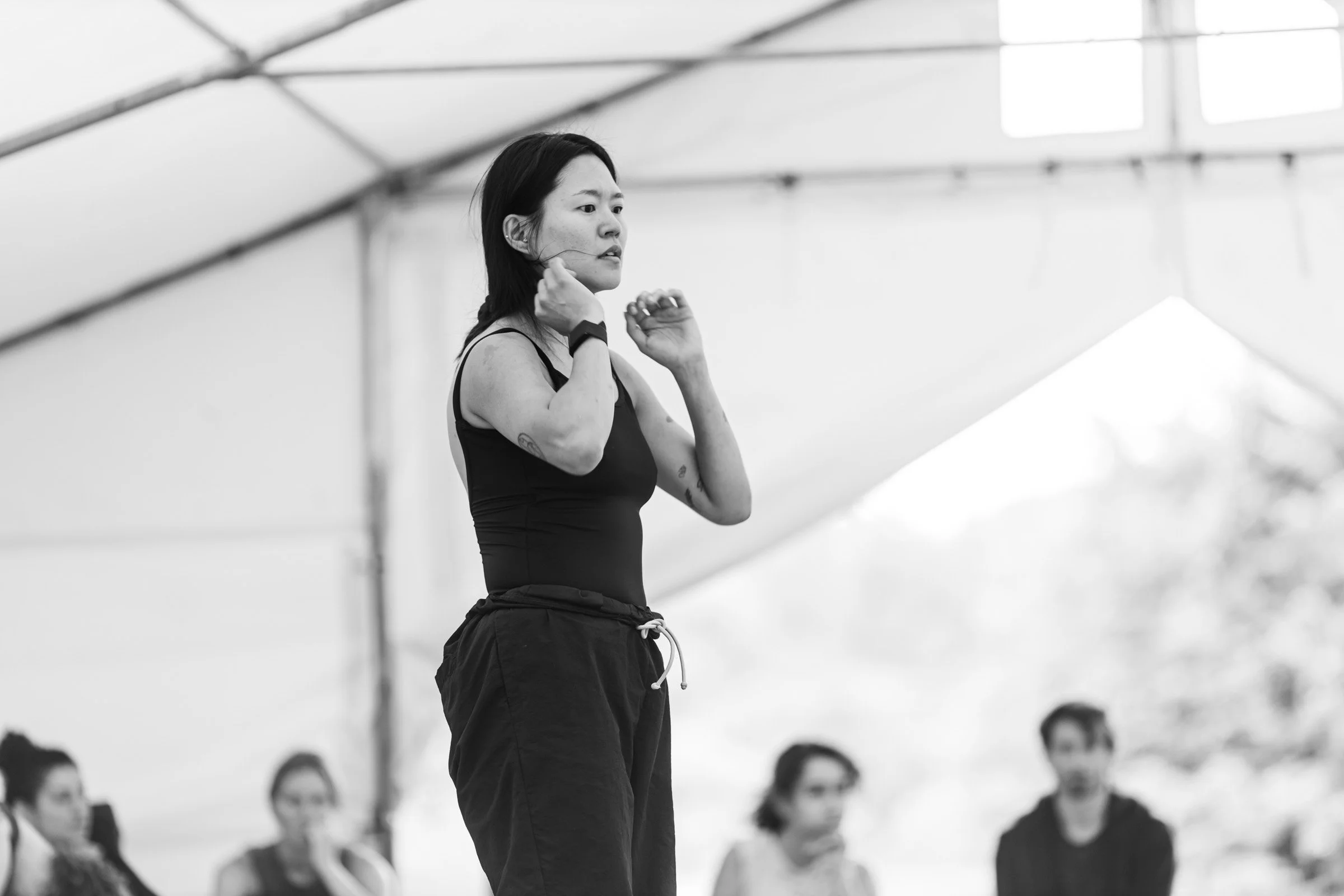
After 2-4 hours of feet washing, to close the durational ritual, she performs a movement and spoken word piece :
无 non
无 non was created with the guidance of Matej Matejka in 2025.
objectives
to use the simple act of feet washing to challenge or bring to the surface our fragility, our vulnerability, our fears, our shame, and our perceived notions about ourselves and the people who inhabit this world alongside us.
issues
societal hierarchies; both visible and invisible/unspoken
violent self narratives that is projected onto how we treat the world around us
in a world where physical touch is sexualised, boundaries are encouraged and communities are performative, how do we sit with our discomforts together and reconnect from a place of trust
methodologies of the practice
embodied
body as the site of excavation, body as the starting point
the performance will be minimal in props and materials, to allow for kinesthetic empathy to be the cultivated throughout the duration of the performance between performer and audience without spectacle or distractions
Presence as practice pedagogy
the performance will be used to deepen my self led research, pushing boundaries and capacity of presence in performance using time (extended, durational), space (open/close, public/private), ritualistic repetitions, and the art of spoken word